Insulated Thermal Lunch Bag Guide: Fresh Meals Anywhere
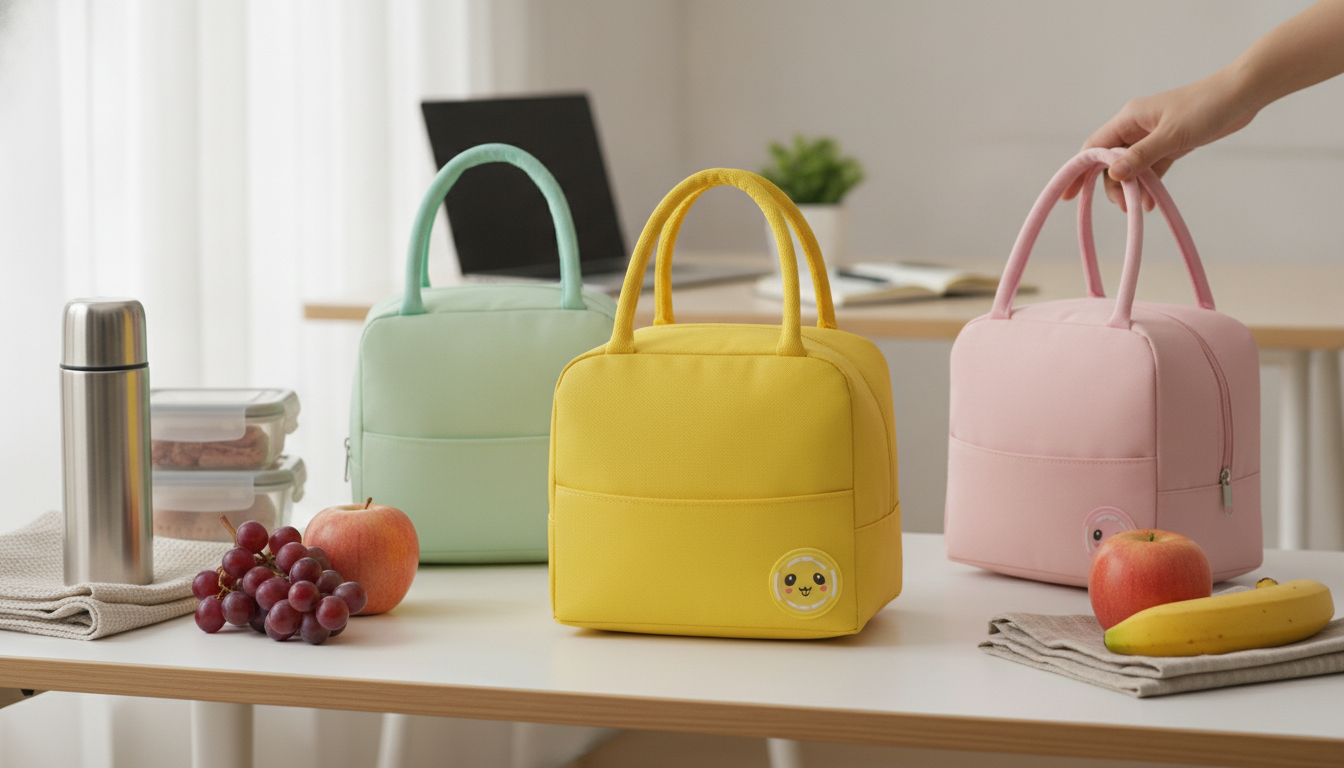
Insulated Thermal Lunch Bag: Keep Meals Fresh for Work, School, and Day Trips
A reliable lunch bag does more than carry food—it helps keep hot foods hot, cold foods cold, and everything contained for a smoother day. The right insulated thermal lunch bag can make meal prep more practical, reduce last-minute food runs, and help keep lunches tasting the way they should. Below is a clear guide to what an insulated lunch bag can (and can’t) do, the features that matter most, and simple routines for packing and cleaning that help it last.
What an insulated thermal lunch bag does (and what it doesn’t)
An insulated thermal lunch bag slows temperature change by reducing heat transfer, which helps food stay in a safer range longer during commutes, classes, and errands. It performs best when paired with ice packs for cold foods or pre-warmed containers for hot foods, because insulation works by maintaining the starting temperature—not creating it.
Real-world performance depends on insulation thickness, the quality of the zipper or closure, and how full the bag is. Extra air space warms up faster, so a packed bag tends to hold temperatures better than a half-empty one. Still, it’s not a refrigerator or a slow cooker—plan for time limits and use safe packing habits, especially for dairy, meats, cooked grains, and cut fruit.
Everyday uses: who it’s for and why it helps
Insulated lunch bags are one of those everyday tools that quietly improve routines across different lifestyles:
- Office lunches: Helps reduce reliance on shared fridges and limits spills inside backpacks or totes.
- School lunches: Keeps snacks and sandwiches cooler until lunchtime; containers can also help separate allergens.
- Day trips and errands: Keeps drinks cold and helps prevent chocolate, yogurt, or fruit from getting warm too quickly.
- Post-workout and commuting: Supports carrying salads, protein shakes, and meal-prep containers without leaks.
- Caregivers and parents: Handy for bottles, snacks, and small meals when away from home.
Key features that matter most
Insulation and lining
Look for insulation that holds its shape without being overly bulky, plus a wipe-clean interior lining. A smooth lining makes daily cleanup faster and helps prevent odors from lingering.
Closure that seals in temperature
A snug zipper or fold-over closure reduces warm air exchange. A better seal also helps contain condensation and minor leaks (though it’s still smart to pack wet items in their own containers).
Capacity and shape that fits real containers
Consider what you typically pack. Rectangular meal-prep boxes often stack efficiently, while round bowls may need more vertical space. A bag that fits your go-to containers reduces shifting and keeps items upright.
Portability for daily carry
Comfortable handles and a solid grip matter when you carry a lunch bag every day. A compact profile also makes it easier to slide into a backpack or tote without crushing food.
Leak resistance and odor control
Seams and lining should handle condensation. A small towel or mat inside can help absorb moisture and protect the lining. For odor resistance, quick drying and easy-to-clean materials make the biggest difference.
Quick comparison: packing choices that improve temperature holding
| Packing setup | Best for | Tip |
|---|---|---|
| Cold meal + 1 ice pack | Short commutes, indoor storage | Keep the bag closed between access to reduce warming |
| Cold meal + 2 ice packs (top & bottom) | Longer days, outdoor activities | Place the most perishable items closest to the ice packs |
| Hot food in a sealed insulated container | Soups, pasta, rice bowls | Pre-warm the container with hot water, then fill and seal |
| Mixed snacks (fruit, cheese, crackers) | Kids’ lunches and grazing | Use small containers to prevent moisture transfer and soggy textures |
Food safety basics for packed lunches
For perishable foods, the goal is to minimize time in the temperature “danger zone.” The USDA summarizes the danger zone as 40 °F to 140 °F, where bacteria can multiply quickly (USDA FSIS). That’s why ice packs, cold starting temperatures, and keeping the bag closed are so helpful.
For additional general guidance on safe handling habits like clean, separate, and chill, refer to CDC food safety recommendations and the FDA’s safe food handling resources.
Care and cleaning to keep it fresh
A simple, budget-friendly option
If you want an easy upgrade for daily routines, a compact insulated lunch bag supports meal prep, school lunches, and quick outings without adding bulk. The Insulated Thermal Lunch Bag is a straightforward option to keep meals more stable on the go while helping contain small spills and condensation.
For work or school setups, small organization upgrades can also help keep your day running smoothly at your desk. If you like keeping utensils, napkins, and notes tidy, consider pairing lunch routines with a simple desktop organizer like the 2-Drawer Pen Organizer – Multi-Functional Desktop Storage Box for Students & Office or the 360° Rotating Multi-Compartment Pen Holder – Stylish Desk Organizer.
FAQ
How long does an insulated lunch bag keep food cold?
It varies based on insulation, outside temperature, and how often the bag is opened, but using 1–2 ice packs and keeping the bag closed significantly extends cold time. Since it isn’t a refrigerator, perishable foods need extra care and should start cold from the fridge.
Can hot and cold items be packed together?
It’s better to separate hot and cold foods to avoid warming cold items and creating condensation. If you need both, use an insulated container for hot food and keep it from touching cold items directly.
What’s the easiest way to clean an insulated lunch bag?
Wipe the interior with mild soap and water, clean seams and the zipper area, then air-dry fully with the bag open. For odors, letting it dry completely and occasionally using baking soda overnight can help prevent lingering smells and mold.








Leave a comment