Two-Lid Silicone Straw Cup for Snacks & Sips On the Go
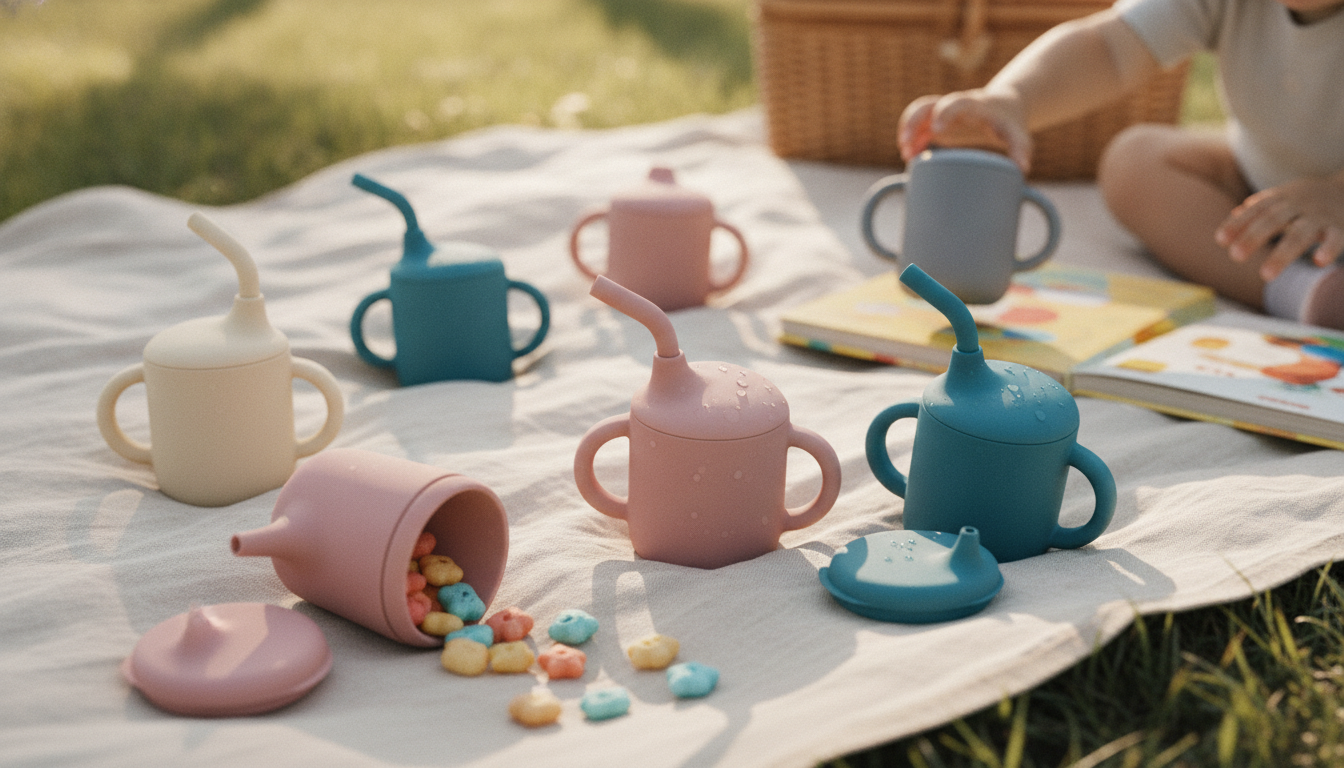
Silicone Straw Cup with Two Lids: A Simple Way to Snack and Sip on the Go
A snack-and-sip cup can make everyday outings smoother by keeping drinks contained, snacks accessible, and messes easier to manage. A soft silicone cup with two interchangeable lids helps you switch quickly between sipping and snacking without packing separate containers—and it’s designed to be easy to rinse, clean, and toss into a bag between stops. For more guidance, see Non-Toxic Sippy Cup & Water Bottle Guide – Gimme the Good Stuff.
What Makes This Cup Different
The standout feature is flexibility. Instead of choosing between “snack container” or “straw cup,” the two-lid setup lets one cup do both jobs with a quick swap. For further reading, see [PDF] Example Products for Feeding Infants, Toddlers, and Children.
- Two-lid design for flexible use: one lid supports sipping through a straw, while the other is intended for snacks.
- Soft silicone construction: comfortable to hold and better suited to everyday drops and bumps than many rigid materials.
- Leak-resistant build: designed to help reduce spills in backpacks, strollers, and car seats when assembled correctly.
- BPA-free materials: an added layer of reassurance for daily drinks like water, milk, or diluted juice. For background on BPA in food-contact applications, see the U.S. Food & Drug Administration (FDA) BPA information.
How the Two Lids Fit Into Daily Routines
The best part of a two-in-one cup is how easily it adapts as your day changes. A snack break at the park can turn into a stroller ride home—without repacking.
Snack lid moments
The snack lid works well for cereal, crackers, puffs, berries, or small cut fruit. Drier snacks tend to keep the rim cleaner and reduce sticky residue, especially when you’re out and don’t have a sink nearby.
Straw lid moments
The straw lid is ideal for water on walks, milk at daycare, or smoothies at home. For thicker drinks, a wider straw is sometimes needed; if the flow feels slow, switching to a thinner smoothie or more water-based drink can help.
Less clutter in the bag
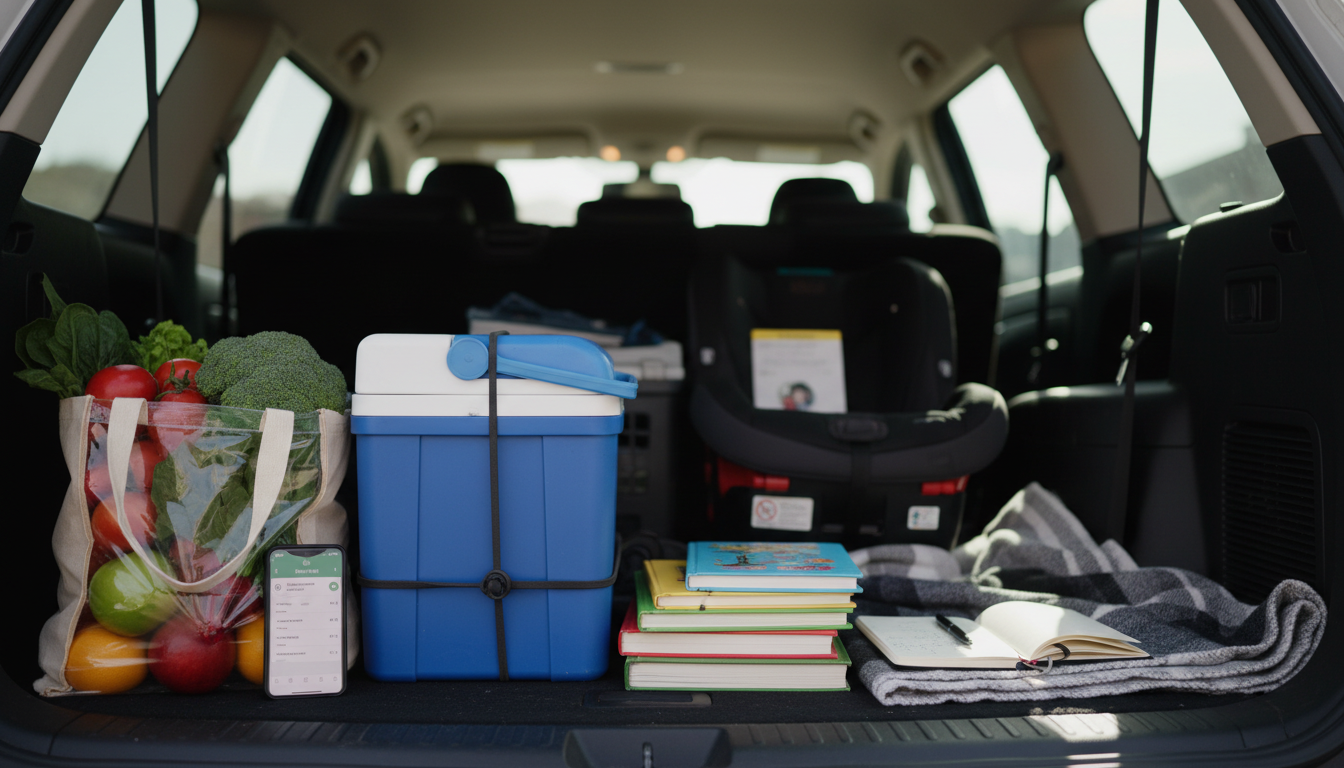
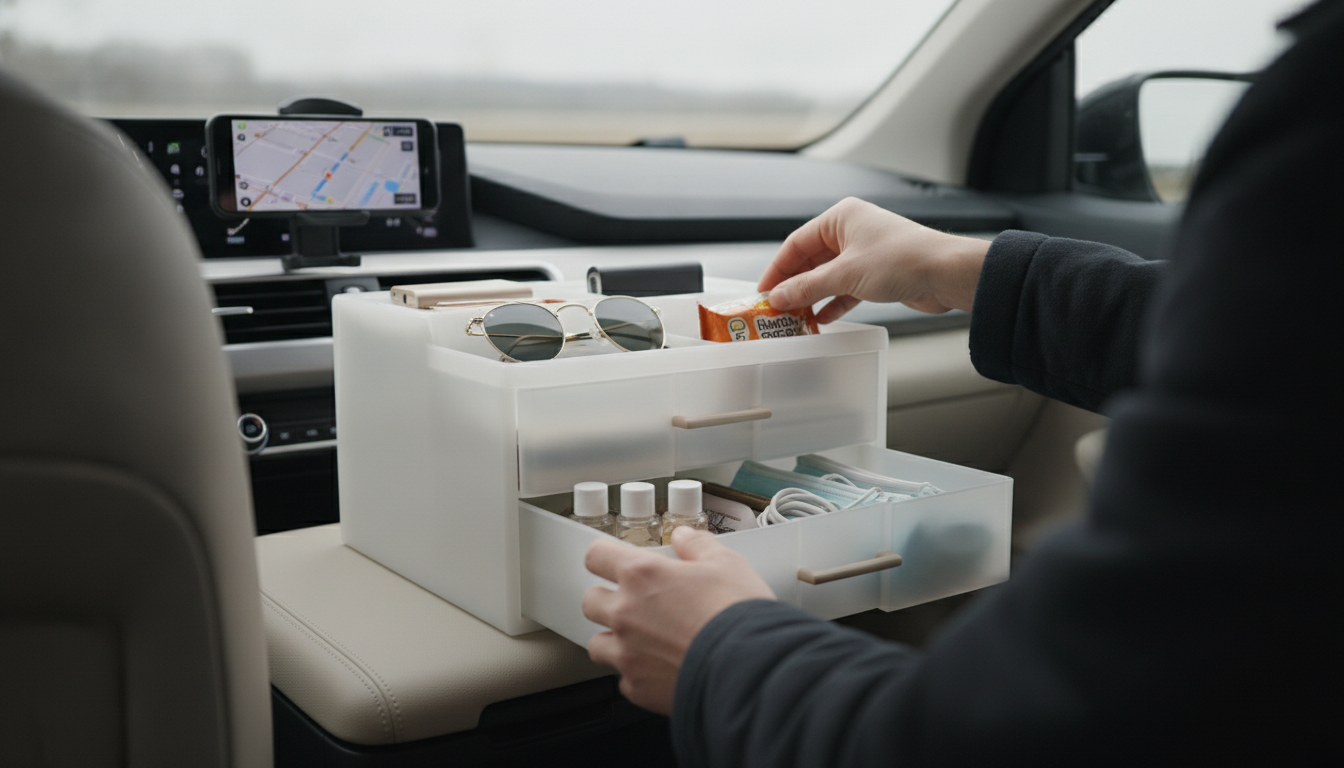
One container that handles both snacks and drinks can free space for essentials like diapers, wipes, a spare shirt, or a favorite toy. It also reduces the number of lids and containers that can get separated during busy mornings.
Lid Options at a Glance
| Lid | Best For | Where It Helps Most | Tips |
|---|---|---|---|
| Straw lid | Water, milk, diluted juice | Car seat, stroller, bedtime water | Check straw seating before packing to reduce drips |
| Snack lid | Dry snacks, bite-size foods | Park, errands, daycare pickup | Wipe rim after use to keep seals cleaner longer |
Leak Resistance and Spill Control
“Leakproof” performance is strongest when the cup is assembled the way it was designed to be used. Small details—like a crumb on a sealing surface—can make the difference between a dry bag and a damp one.
- Assemble with care: press the lid fully into place and ensure the straw is inserted securely (when using the straw lid).
- Pack smart: if possible, keep the cup upright. For longer trips, storing it in an outer pocket makes quick checks easier.
- Watch common leak triggers: overfilling, residue on sealing areas, or an uneven lid press can cause small drips.
- Avoid carbonation: carbonated drinks can increase pressure and force liquid through seals, and they may “burst” when opened in kids’ cups.
Comfort, Grip, and Kid-Friendly Design
Silicone’s softer feel can be a major plus for young kids who are still learning cup skills. It’s often more forgiving during the “drop-and-try-again” stage of toddler independence.
- Gentler feel: soft silicone may feel more comfortable on gums and teeth than harder materials for some children.
- Easy-to-hold texture: supports developing grip and helps kids practice self-feeding and independent drinking.
- Familiar drinking motion: straw drinking can be a helpful bridge for kids transitioning away from bottles.
- Chewing check: if your child chews on straws, inspect regularly and replace parts with tearing or deep bite marks.
Cleaning, Care, and Odor Prevention
Keeping a snack-and-sip cup fresh is mostly about timing and technique. A quick rinse soon after use prevents buildup that’s harder to remove later.
- Rinse promptly: especially after milk or smoothies, which can leave a film if they dry inside the cup or straw.
- Deep-clean the details: use warm soapy water and a straw brush, and pay attention to grooves where seals meet.
- Manage odors: an occasional soak in a baking soda solution can help with lingering smells in silicone; follow any manufacturer care guidance if provided.
- Dry thoroughly: let all parts dry completely before storing to help prevent moisture-related residue.
For general hygiene guidance when cleaning items used to feed children, see the CDC’s clean and sanitize recommendations.
When This Cup Is a Great Fit (and When It Isn’t)
This kind of cup shines when you’re moving between activities and want fewer containers to juggle.
For broader context on children and exposure to certain food-related chemicals, the American Academy of Pediatrics offers general guidance.
Pairing Ideas for Outings
Shop In-Stock Essentials
- Silicone Straw Cup with Two Lids BPA Free Leakproof Snack & Drink Container
- Insulated Thermal Lunch Bag
FAQ
What are the benefits of silicone straws?
Silicone straws are typically softer on teeth and gums, flexible, and reusable, which can make them comfortable for everyday sipping. They can also hold up well to drops, but they should be cleaned thoroughly and inspected regularly—especially if a child chews on the straw.
Can silicone straws be cut to size?
Many silicone straws can be trimmed with clean scissors to fit certain lids, but measure carefully so the straw still seals snugly and functions properly. If cutting changes how the straw fits or affects the seal, it can reduce leak resistance, so it’s best to avoid modifications when a precise fit is required.







Leave a comment